





Electrical conduit
Electrical conduits (sometimes referred to as raceways or wireways) are tubes or pipes used to enclose, protect and route electrical wiring or cables as they passes around buildings or other structures.
Electrical conduit is generally made from either metal or plastic, and can be rigid or flexible. Types of conduit are assigned classifications based on characteristics associated with how they are manufactured and what materials are used in the process. These distinctions can influence how the electrical conduit should be used, based on corrosion resistance, protection requirements and so on.
Other terms associated with electrical conduit include:
- Conduit bodies (or condulets). These are separate sections of conduit tubing made from malleable materials (such as aluminium) and allow the conduit to bend more easily whilst offering additional protection. Types of conduit bodies include L-shaped, T-shaped, C-shaped and Service Ell Body (SLB).
- Conduit clamps. These fastening clamps are used to install conduit.
- Conduit hangers. These fasteners are used to support conduit.
There are in general four different types of conduit although there are variations on each, these might be called:
- Rigid Metal Conduit (RMC)
- Electrical Metallic Tubing (EMT)
- Intermediate Metal Conduit (IMC)
- Flexible Metal Conduit (FMC)
[edit] Related articles on Designing Buildings
Featured articles
Check out some of the best features and news from Designing Buildings as well as key stories from around the web.

CIOB reacts to the announcement of Andy Burnham as Prime Minister.

Heritage and conservation science workforce survey - Have your say.

England's Suburbs 1820-2020. Book review.

New, more proportionate and targeted approach for higher-risk building assessments.
Government brings British Steel into public ownership.
UKCW Birmingham returns with bold new theme and focus.
New guidance published on competence requirements for self-certification schemes.
Construction Management, 8 July
NEETs crisis drives interest in trades, but apprenticeships barriers remain.
Passive fire protection webinar
MEP services penetration seals.

Where its at podcast (and video) - The role of the Architectural Technologist as an Expert Witness.
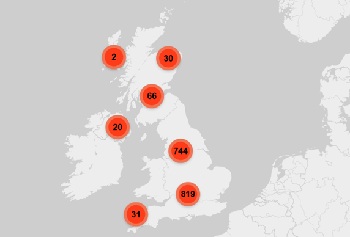
More than 200 remarkable buildings added to SAVE’s Buildings at Risk register.
Government scraps pre-application consultation for Nationally Significant Infrastructure Projects.